
The Cambridge IELTS 19 Academic book is a crucial resource for those preparing for the IELTS examination, one of the most recognized English language tests worldwide. This edition continues the tradition of providing comprehensive and authentic practice materials, meticulously designed to help candidates familiarize themselves with the test format and types of questions they will encounter.
The primary purpose of Cambridge IELTS 19 is to equip IELTS aspirants with essential tools to enhance their reading, writing, listening, and speaking skills. By incorporating real past examination questions, the book serves not only as a preparatory guide but also as a confidence builder. This edition includes four authentic IELTS practice tests, offering readers a chance to assess their preparation level. Additionally, detailed answer explanations help candidates understand the reasoning behind correct and incorrect answers, facilitating a deeper learning process.
👉 Join Our Telegram Channel to Download IELTS Academic/General PDF and Audios
🎧 Includes all Listening Audios + Speaking Videos + Answer Explanations + Writing Samples.
Readers can expect high-quality content that reflects the most current testing standards of the IELTS Academic module. Each practice test is accompanied by an IELTS examiner’s feedback, which can be invaluable in improving test-taking strategies. The inclusion of audio recordings for listening practice further enhances the book’s practicality, allowing candidates to engage with the material actively.
Overall, Cambridge IELTS 19 is not only an indispensable resource for serious IELTS candidates but also an excellent means for self-assessment and skill refinement. It ultimately prepares individuals for achieving their desired scores on the IELTS, thereby opening doors to educational and professional opportunities in English-speaking countries.
Overview of IELTS Academic Test Format
The IELTS Academic test is globally recognized for its rigor and comprehensive assessment of English language proficiency, particularly for educational purposes. The exam consists of four distinct sections: Listening, Reading, Writing, and Speaking, each designed to evaluate different facets of language skills.
The first component, the Listening section, lasts approximately 30 minutes, during which candidates listen to a range of recordings, including conversations and monologues. The content is specifically curated to mimic real-life scenarios that a test-taker may encounter in an academic environment. The scoring is based on the number of correct answers, highlighting the importance of attention to detail during the listening exercises.
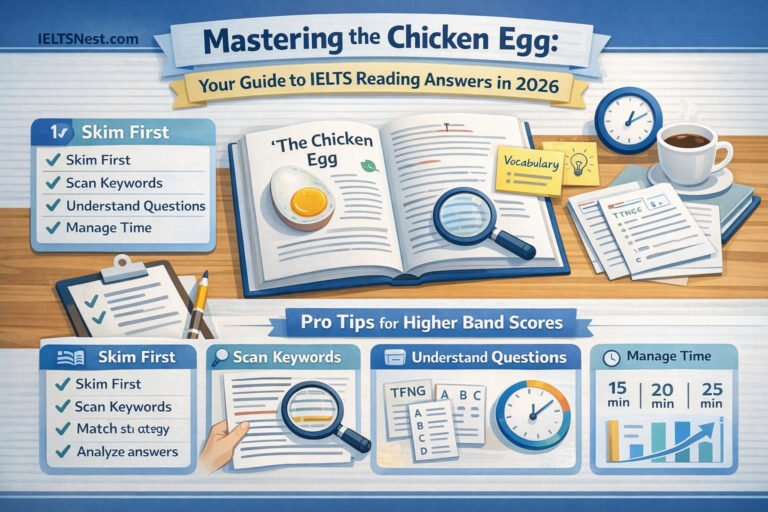
Next, the Reading section spans 60 minutes and consists of three readings based on academic texts. Candidates must demonstrate their ability to comprehend complex written material, as well as identify main ideas and make inferences. Scoring in this section also relies on the number of correct responses, which emphasizes the necessity for thorough reading practice.
The Writing section comprises two tasks that require candidates to articulate their thoughts clearly and effectively. Task 1 typically involves describing visual information, whereas Task 2 requires a formal argumentative essay. This section is critically assessed on coherence, cohesion, lexical resource, and grammatical range and accuracy, underscoring the significance of structured writing practice in preparation.
Finally, the Speaking section is a live interaction with an examiner, lasting between 11 to 14 minutes. This part assesses spoken English skills across three distinct parts: an introduction and interview, a long turn where the candidate speaks for one or two minutes, and a two-way discussion related to the topic presented. Fluency and coherence, lexical resource, grammatical range and accuracy, and pronunciation are the key scoring criteria.
In conclusion, preparation for the IELTS Academic test is crucial, given its structure and scoring system, as it aims to effectively measure the proficiency of candidates in an academic context.
Content Breakdown of Cambridge IELTS 19
Cambridge IELTS 19 Academic is a comprehensive resource designed to assist students in preparing for the IELTS examination. One of the book’s standout features is the inclusion of four authentic practice tests, mirroring the structure and difficulty of the actual IELTS test. These practice tests provide candidates with invaluable experience by simulating the conditions they will encounter on test day.
The book encompasses a wide variety of exercises across the four key components of the IELTS exam: Listening, Reading, Writing, and Speaking. Each section is meticulously crafted to reflect the real IELTS question types, ensuring that learners can familiarize themselves with the format. The Listening section consists of four recordings featuring different accents and contexts, while the Reading section includes three long passages that encompass a range of topics and question formats, such as multiple-choice, matching headings, and true/false/not given.
Moreover, Cambridge IELTS 19 provides detailed instructions on the Writing module, where candidates are required to complete tasks based on visual data or prompts. Task 1 requires test-takers to describe, summarize, or explain information, whereas Task 2 asks for an opinion or discussion on a specific topic, aiding in the development of both analytical and argumentation skills.
Additionally, the Speaking section mirrors the real test format, with three parts that evaluate the candidates’ speaking abilities. This includes an introduction and interview, a long turn where candidates describe a specific topic, and a two-way discussion that delves deeper into the themes raised in the previous parts.
Overall, Cambridge IELTS 19 Academic serves as an essential tool for those seeking to attain a high score on the IELTS exam by providing realistic practice, detailed exercises, and an accurate representation of the test format and requirements.
Strengths of Cambridge IELTS 19
The Cambridge IELTS 19 Academic book stands out for a variety of reasons that enhance its utility for test takers preparing for the IELTS examination. One of its most notable strengths is its proven validity, as the materials included have been developed by experts in the field, ensuring that they accurately reflect the format and difficulty of the actual IELTS tests. This alignment with real test conditions provides candidates with a reliable foundation for their preparation.
In addition to validity, the book offers comprehensive practice materials. It includes a wide range of tasks that cover all sections of the IELTS exam, namely Listening, Reading, Writing, and Speaking. These practice tasks are not only diverse but are also designed to challenge test takers and help them build the necessary skills for success. The inclusion of actual past papers allows candidates to familiarize themselves with the question types they will encounter.
Furthermore, Cambridge IELTS 19 provides clear answer explanations, which is instrumental in aiding learners to understand their mistakes. This feature empowers candidates to learn from each practice session by analyzing where they need to improve. The detailed responses help clarify correct answers and provide insights into what examiners are looking for, especially in the Writing and Speaking sections.
Additionally, the credibility of Cambridge as a leading authority in IELTS preparation cannot be overstated. Trusted by educators and students alike, Cambridge’s long-standing experience in crafting IELTS materials lends significant weight to the effectiveness of the resources presented in this book. The combination of validated content, comprehensive materials, and credible authorship establishes Cambridge IELTS 19 as an indispensable tool for any serious applicant aiming to achieve their desired score in the IELTS exam.
Weaknesses of Cambridge IELTS 19
While the Cambridge IELTS 19 book is recognized for its comprehensive set of practice materials, it does exhibit several weaknesses that potential users should be aware of. One of the most significant drawbacks is the limited availability of online resources. In an era where digital learning is increasingly predominant, having supplementary online materials can enhance the study experience. Unfortunately, Cambridge IELTS 19 does not provide enough digital support, which may hinder learners who benefit from interactive learning tools and online assessments.
Furthermore, another notable shortcoming is the book’s failure to keep pace with the rapidly evolving formats of the IELTS exam. Test formats and expectations can change frequently, and if study materials lag behind these updates, they may not effectively prepare students for the actual examination conditions. This limitation can cause concerns among students who are seeking the most up-to-date practice and insight into current testing methodologies.
Moreover, user feedback has indicated that while the book includes a range of practice tests, the explanatory answers and guidance on question strategies are often lacking depth. Many users find that detailed explanations help consolidate learning, and the absence of comprehensive rationales for answers can leave learners feeling unprepared or uncertain, particularly with complex question types. Enhancing the clarity of answer explanations could significantly improve the user experience and lead to better learning outcomes.
In summary, while Cambridge IELTS 19 does offer valuable resources for IELTS preparation, its limitations, including the lack of sufficient online resources, outdated materials concerning exam formats, and insufficient explanations, may impede certain learners’ effectiveness in their preparation efforts.
User Experience and Reviews
The Cambridge IELTS 19 Academic book has garnered considerable attention from both students and educators, particularly those preparing for the International English Language Testing System (IELTS) examination. Numerous reviews highlight the book’s effectiveness as a comprehensive tool that is tailored to meet the needs of its users. Students have reported that the inclusion of realistic test format and content has significantly aided their preparation, allowing them to familiarize themselves with the structure and the types of questions they are likely to encounter on test day.
One of the most commonly praised aspects of the book is its practice tests. They closely mirror the actual IELTS exams, which helps students build confidence in their test-taking abilities. Users appreciate the answer keys and detailed explanations provided at the end of each test. This feature not only facilitates self-assessment but also enhances comprehension of the material, which is critical for effective learning.
Educators have also chimed in, with many noting that Cambridge IELTS 19 serves as an essential resource in their classrooms. Instructors value the authenticity of the practice materials, emphasizing that students who use this book tend to perform better in mock tests when compared to those who do not. Teachers have found it particularly beneficial for creating lesson plans that align closely with the skills tested in the IELTS examination.
However, it is important to mention that while most feedback is positive, some users have noted that additional supplementary materials or online resources could enhance the learning experience. Despite this minor critique, the consensus is that Cambridge IELTS 19 Academic is a valuable addition to any student’s study plan. Its practical approach and user-friendly design contribute significantly to its overall effectiveness as a study aid.
Recommendations for Using Cambridge IELTS 19
The Cambridge IELTS 19 Academic Book serves as a vital resource for students preparing for their IELTS examinations. To maximize the benefits derived from this book, strategic study methods should be employed, combining dedicated practice with effective time management. Firstly, it is prudent to familiarize oneself with the structure and contents of the book. Each section is designed to mimic the actual test environment, which is essential for building familiarity and confidence.
One recommended approach is to establish a study schedule that allocates specific time for each section—Listening, Reading, Writing, and Speaking. By dividing your time effectively, you can ensure comprehensive coverage of all areas, thus avoiding last-minute cramming. It is advisable to complete practice tests under timed conditions to simulate the testing experience accurately. This practice will not only help improve your time management skills but also identify areas requiring further study.
In addition to the book, consider utilizing supplementary resources such as online forums, study groups, and official IELTS preparation websites. Engaging with fellow test-takers can offer valuable insights, tips, and shared experiences, enhancing your overall understanding of the test. Furthermore, listening to podcasts or watching videos related to IELTS preparation may enrich your learning experience, as they present different viewpoints and strategies.
Moreover, it is essential to review your performance regularly. After completing practice tests, thoroughly analyze your answers, understanding mistakes, and identifying patterns in errors. This process will aid in developing effective strategies tailored to your weaknesses. Practicing English daily, particularly in reading and speaking, will also serve to elevate your language proficiency, an indispensable aspect of succeeding in the IELTS exam.
In conclusion, the Cambridge IELTS 19 Academic Book is an invaluable tool for IELTS preparation, especially when combined with structured study habits and complementary resources. By adopting a systematic approach, test-takers can increase their chances of achieving their desired IELTS scores.
Comparison with Previous Editions
Cambridge IELTS 19 Academic presents various noteworthy updates when compared to its predecessors, making it a significant addition for students preparing for the IELTS examination. The most apparent differences lie in the introduction of updated exam formats and authentic materials that reflect the latest changes in the IELTS testing environment. This ensures that candidates have access to practice materials that closely mimic what they will encounter on exam day.
One of the major enhancements in Cambridge IELTS 19 is the inclusion of more recent test questions and a broader range of topics, which increases the relevance and applicability of the practice tests. Unlike older editions, this book incorporates themes and subjects that are currently trending, providing users with a contemporary perspective on potential exam content. This aspect is crucial, as the IELTS test evolves periodically, and staying updated with the recent changes can significantly boost a candidate’s confidence and performance.
Moreover, the explanations and practice techniques featured in this edition are more comprehensive than those found in earlier versions. Cambridge IELTS 19 offers clearer insights into answering strategies, including sample answers and detailed tips tailored to each section of the exam, which can greatly aid in understanding the marking criteria. Such features are often lacking in previous editions, where students had to rely heavily on external resources or fragmented information.
However, students must also recognize that many foundational aspects of the IELTS test remain consistent across editions. The core test structure, including Listening, Reading, Writing, and Speaking components, largely mirrors that found in earlier versions. This consistency suggests that users of earlier editions might not necessarily require a new purchase if they already possess sufficient practice material. Ultimately, the decision to invest in Cambridge IELTS 19 should be based on individual needs for updated content and preparation level.
Conclusion and Final Thoughts
In evaluating the Cambridge IELTS 19 Academic book, it is essential to recognize its comprehensive approach to preparing students for the IELTS examination. This edition brings forth a variety of authentic practice materials, mirroring the actual test formats and scenarios, which is beneficial for any serious candidate. The variety and depth of the tasks provided in the practice tests allow users to familiarize themselves with potential question types and the time management essential for success.
Furthermore, the detailed answer explanations and the inclusion of audio material for the listening section provide an excellent resource for both self-study and classroom use. Students will find the interactive element of the accompanying online resources particularly valuable, as these offer additional exercises and materials which further aid comprehension and familiarity with the IELTS format.
For individuals aiming to improve their scores, particularly in the Academic module, purchasing the Cambridge IELTS 19 book is advisable. It serves as an effective preparatory tool, whether one is at the beginning stages of study or nearing the examination date. Both teachers and students can utilize this book effectively, as instructors will find it a resourceful addition to their classrooms.
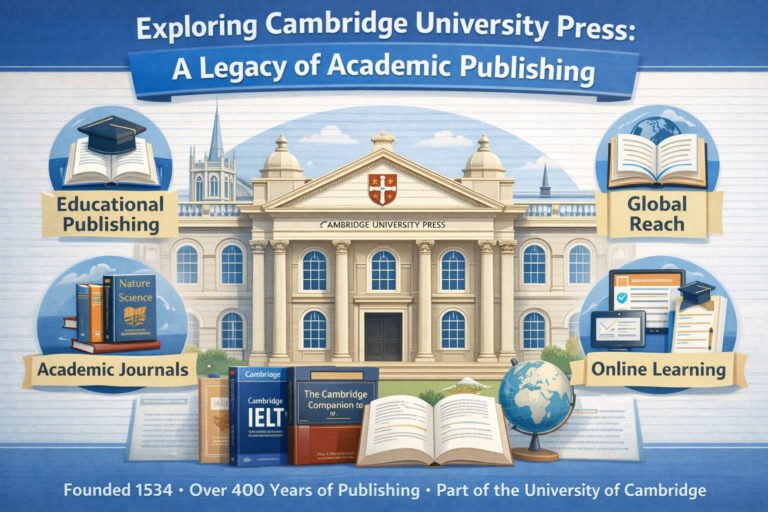
Ultimately, the Cambridge IELTS 19 Academic book stands out due to its commitment to providing quality materials backed by the esteemed Cambridge Assessment English. As such, those preparing for the IELTS exam can approach their studies with confidence, equipped with a resource that enhances understanding and fosters improved performance.